What We Look for During a Built-Up Roof Inspection in Southern Arizona
Built-up roofing systems are common throughout Southern Arizona, particularly on flat and low-slope roofs. When properly installed and maintained, these roofing systems can provide decades of reliable protection. However, Tucson’s intense UV exposure, extreme temperatures, and monsoon storms can gradually wear down the roof’s protective surface.
At B&M Roofing, a built-up roof inspection involves much more than checking for active leaks. We evaluate the condition of the roof surface, coating, flashing, penetrations, drainage areas, and other accessible components to develop a better understanding of the overall condition of the roofing system. Our roof inspection checklist explains some of the other components we evaluate during a professional roof inspection.
Condition of the Roof Coating
One of the first things we evaluate is the condition of the roof coating.
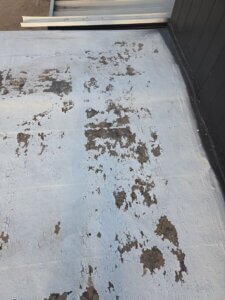
Roof coatings provide an additional protective layer over a built-up roof system. Manufacturers such as Polyglass provide roof coating systems designed to protect and maintain compatible roofing assemblies. Southern Arizona’s intense sunlight and heat can gradually cause coatings to become thin, weathered, or cracked.
During an inspection, we look for:
- Thin or weathered coating
- Cracking in the coating
- Peeling or delamination
- Areas where the underlying roofing system is becoming exposed
- Previous coating or maintenance work
A coating that has reached the end of its serviceable life may require maintenance before deterioration progresses into the roofing system below.
Routine roof maintenance can help address these conditions before they develop into more extensive roofing problems.
Cracks, Splits, and Blisters
We inspect the roof surface for physical deterioration such as cracks, splits, and blisters.
A blister may form when moisture or air becomes trapped within layers of the roofing system. Splits and cracks can also develop as the roof ages and experiences repeated heating and cooling.
Not every surface irregularity means the roof needs replacement. We evaluate the location, severity, and overall condition of the roofing system before making a recommendation.
Flashing and Roof Penetrations
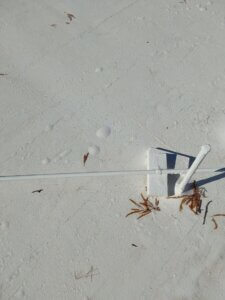
Penetrations and transitions are some of the most important areas we inspect on a built-up roof.
These may include:
- T-tops
- Plumbing vents
- Roof jacks
- HVAC penetrations
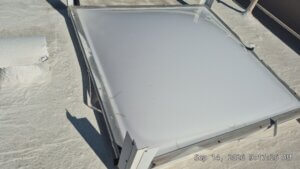
- Skylights
- Scuppers
- Parapet walls
- Flashing and transitions
We look for deteriorated sealants, cracking, separation, previous repairs, or other conditions that could create an opportunity for water intrusion.
Ponding Water and Drainage
Proper drainage is especially important on flat and low-slope roofing systems.
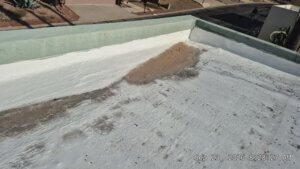
During an inspection, we look for evidence of ponding water, including staining, dirt patterns, deterioration, or areas where water appears to remain after rainfall.
Standing water can place additional stress on a roofing system and may accelerate deterioration of coatings and other roofing components.
We also evaluate accessible scuppers and drainage areas for debris or conditions that could restrict water flow.
Previous Repairs and Maintenance
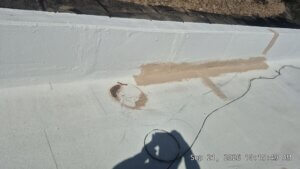
Built-up roofs often receive maintenance throughout their service life. During an inspection, we document visible previous repairs and evaluate their current condition.
We may find:
- Three-course repairs
- Previous patches
- Reinforced areas
- Coating repairs
- Penetration repairs
- Previous flashing work
Previous repairs do not automatically mean there is a problem. However, they provide important information about the history of the roof and areas that may require closer evaluation.
Visible Decking and Eave Conditions
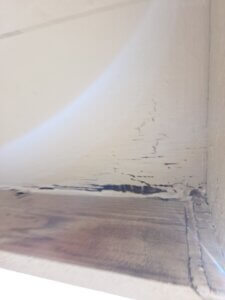
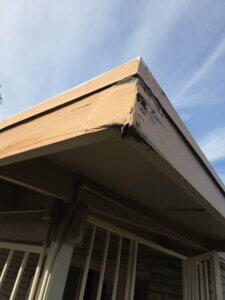
Where accessible, we also look for visible signs of damaged or deteriorated decking around roof edges and other exposed areas.
Because the roof decking is concealed beneath the roofing system, a standard visual inspection cannot determine the condition of every area of decking. Visible staining, deterioration, sagging, or other abnormalities may indicate that additional evaluation or repairs are necessary.
Age and Overall Condition Matter
A built-up roof should not be evaluated based on one crack, blister, or worn area alone.
We consider the entire roofing system, including its age, coating condition, previous maintenance, penetrations, flashing, drainage, and visible deterioration.
Built-up roofing systems can often provide 30–40 years of service with appropriate maintenance, but actual service life varies based on installation, exposure, maintenance history, and overall roof condition.
This is one reason routine inspections and maintenance are particularly important for built-up roofs in Southern Arizona.
Why Built-Up Roof Inspections Matter in Southern Arizona
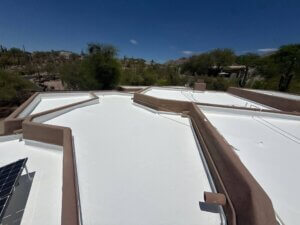
Southern Arizona’s combination of intense UV exposure, extreme heat, monsoon rainfall, wind, and rapid temperature changes can be demanding on flat and low-slope roofing systems.
Regular inspections can identify maintenance needs before small areas of deterioration develop into more extensive problems.
At B&M Roofing, our goal is to evaluate the current condition of the roofing system and provide a clear recommendation based on what we observe—not simply whether the roof is currently leaking.
Schedule a Built-Up Roof Inspection in Southern Arizona
If you are unsure about the condition of your built-up or flat roof, B&M Roofing provides professional roof inspections throughout Southern Arizona.
We proudly serve Catalina Foothills, Corona de Tucson, Green Valley, Marana, Mount Lemmon, Oro Valley, Picture Rocks, Saddlebrooke, Sahuarita, Sonoita, Tanque Verde, Tucson, and Vail.
To request a professional roof inspection, visit our inspection request form